
How power reaches a typical site
Most businesses rely on electricity brought in through the grid. Power is generated elsewhere, transmitted across the network, and delivered to the site through a connection agreed with the local network operator.
This works well in many cases, but it does come with limits. Capacity can be restricted, upgrades may take time, and supply is not always as flexible as a growing site might need.
That is where on-site power comes in. Instead of relying entirely on incoming supply, part of the electricity is generated where it is used.
Where supply and reliability issues tend to appear
Some sites operate close to their available capacity. Expanding production or adding equipment can push that limit further. In other cases, short interruptions can disrupt operations, particularly where machinery or processes need a steady supply.
There is also the issue of timing. Demand can rise sharply at certain points in the day, even if overall usage is manageable. These peaks can create pressure on the system.
On-site power does not remove these issues entirely, but it can reduce their impact by providing an additional source of supply.
Ways to improve supply and reliability
The most common approach is to combine generation with storage. Solar panels, for example, can provide energy during daylight hours, while batteries allow some of that energy to be used later.
Backup systems can also play a role. In situations where continuity is important, having an additional source available can help keep essential operations running.
Control systems are often overlooked, but they can be just as useful. Adjusting when equipment starts or how loads are spread across the day can ease pressure on the overall system.
Keeping it economical
The financial side comes down to balance. The aim is not simply to generate as much energy as possible, but to use what is generated in a way that reduces overall costs.
Systems that match how a site operates tend to perform better. A warehouse with steady daytime activity may make good use of solar, while a site with more varied demand may benefit from combining generation with storage.
Upfront costs need to be weighed against longer-term savings. In many cases, starting with a smaller system and expanding later allows performance to be assessed before committing further.
Solar power and its role
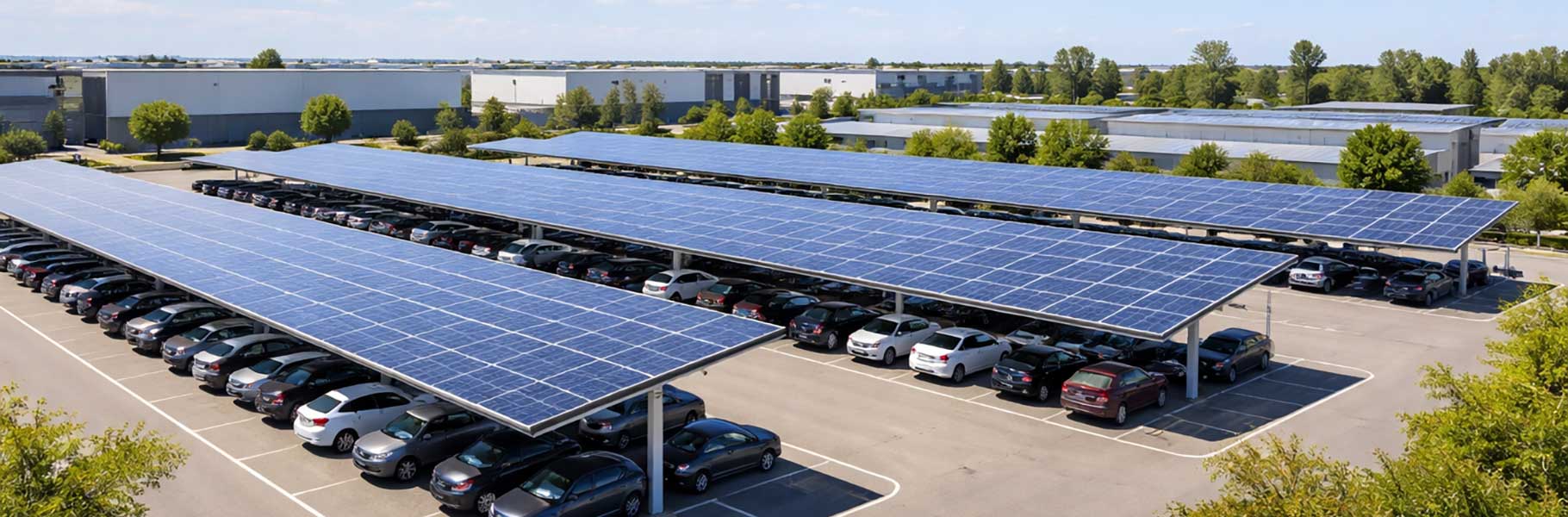
Solar is often the starting point. It makes use of existing roof space and produces energy during the working day.
The advantages are simplicity and relatively low running costs. Once installed, systems tend to operate quietly in the background.
The limitation is timing. Output depends on daylight, and without storage, not all generated energy may be used.
Battery storage and flexibility
Battery systems add flexibility by allowing energy to be stored and used later. This can help reduce short bursts of high demand and make better use of locally generated power.
The benefit is control. Energy can be used when it is needed rather than only when it is produced.
The drawback is the additional cost and space required. Systems need to be sized carefully to match actual usage.
Wind and other generation options
Wind can provide a useful contribution in the right conditions, particularly on exposed sites. It has the advantage of generating energy at different times of day, including outside daylight hours.
However, it is more dependent on location and may involve additional planning considerations.
Other forms of generation, including engine-based systems, can provide steady output when required, although they come with fuel and maintenance considerations.
Bringing it all together
Most effective setups use a combination of approaches rather than relying on a single system. Generation, storage, and control all play a part.
The aim is to create a setup that supports how the site actually operates. That might mean reducing reliance on external supply, improving reliability, or managing demand more evenly across the day.
There are trade-offs to consider, particularly around cost and practicality, but where systems are well matched, on-site power can become a useful part of day-to-day operations.
Want to explore what could work on your site?
Use the information button to get tailored suggestions and see what options and quotations are available for your premises.